Auto Settings is an Unreal Engine framework for game options menus and runtime input remapping. Configure UMG widgets for graphics, audio, gameplay, accessibility, and key bindings while the plugin handles persistence, synchronization, and per-player state.
Getting started
- Get Auto Settings on Fab - Add the plugin to your Fab library
- Installation guide - Add Auto Settings to your project
- Quick start - Build and test one graphics setting
- Example project - Explore a complete settings menu
- Migrate the example menu - Copy the CommonUI-based menu into your project
- Downloads - Get stable, beta, and legacy builds
- Playable demo - Try the complete menu without opening Unreal Engine
Key features
- Data-driven configuration - Define settings through assets and details panels
- Settings persistence - Automatically saves to config files or integrates with your game's save system
- Console variable integration - Expose Unreal's built-in settings like scalability, VSync, max FPS, and resolution to players
- Input remapping - Players can rebind keyboard and gamepad controls at runtime
- UI widget components - Use pre-built widgets or create custom ones with your own styling
- Per-player configuration - Individual settings for split-screen scenarios
Example applications
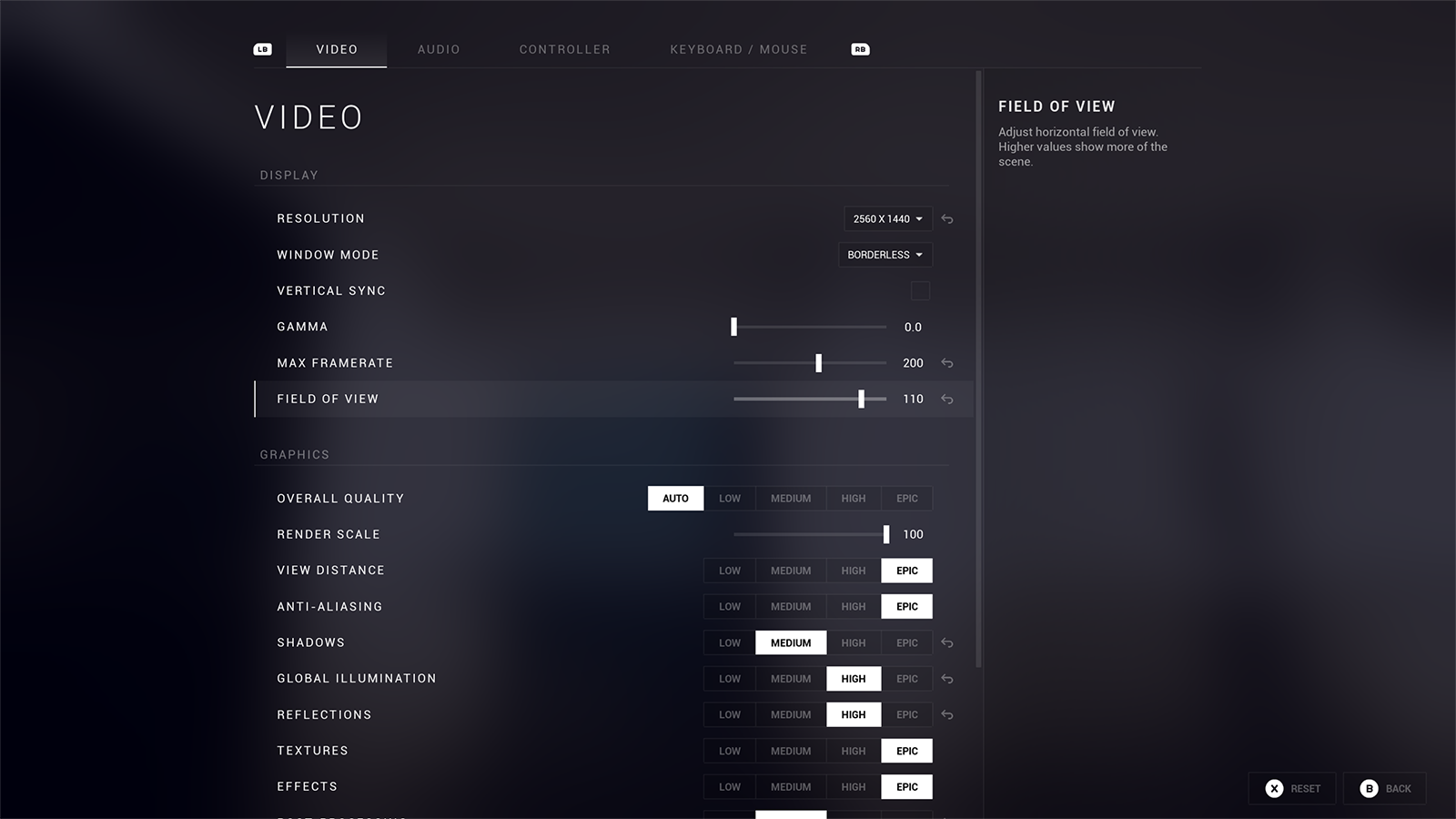
Common use cases include:
- Graphics Settings - Resolution, quality presets, V-Sync configuration
- Audio Controls - Master/SFX/Music volume controls
- Input Remapping - Keyboard and gamepad key rebinding with conflict detection
- Accessibility Options - Colorblind support, subtitle configuration, UI scaling
- Gameplay Settings - Difficulty levels, camera configuration, HUD customization
Auto Settings handles data persistence, keeps settings in sync with your widgets, and connects values to engine or game systems through built-in and custom binding strategies. It also manages settings as a coherent framework, including the relationships and structure that connect settings across your project.